A garage door starts making a grinding noise, slows halfway up, then shudders to a stop. It’s easy to assume the motor is too weak and start shopping for more horsepower. The question pops up fast: how much weight can a garage door opener lift?
Here’s the twist most people miss. A residential garage door opener is not designed to lift the full door weight. On a properly balanced door, the opener only manages about 8–15 pounds of force, similar to lifting a bag of groceries. That means the real answer to “how much weight can a garage door opener lift” depends more on spring balance than motor size.
This expert guide lays out how openers really work, which power rating fits your door, and how to spot trouble before parts fail. You’ll learn how HP, HPC, and Newtons compare, how to match power to door type, and when to call a pro for spring service or opener installation. Swift Garage Doors serves homeowners and property managers across the GTA with licensed technicians, 24/7 emergency help, and smart opener upgrades. Read on for a clear, safe, and practical garage door opener buying guide that puts you in control.
The #1 Misconception About Garage Door Openers
Many people believe the opener lifts the entire door weight, which can be 150 to 400+ pounds. That sounds logical, but it’s not how the system works. The opener’s job is to replace your manual effort and move a door that already feels nearly weightless.
On a balanced door, the opener deals with only 8–15 pounds of force. It starts the motion, guides the travel, and keeps the door secure when closed. The springs carry the heavy load. When springs weaken or break, the full weight shifts to the opener. That’s where motors burn out, rails bend, and gears strip.
This misunderstanding is dangerous because it leads people to install a bigger motor to mask a spring problem. A stronger opener may yank the door for a short time, but the strain adds up, parts fail, and safety risks rise. To truly answer how much weight can a garage door opener lift, confirm the spring system is doing the heavy lifting first.
“The opener moves the door. The springs lift it.” — Swift Garage Doors, Senior Technician
What Actually Lifts Your Garage Door? The Power Of Spring Systems
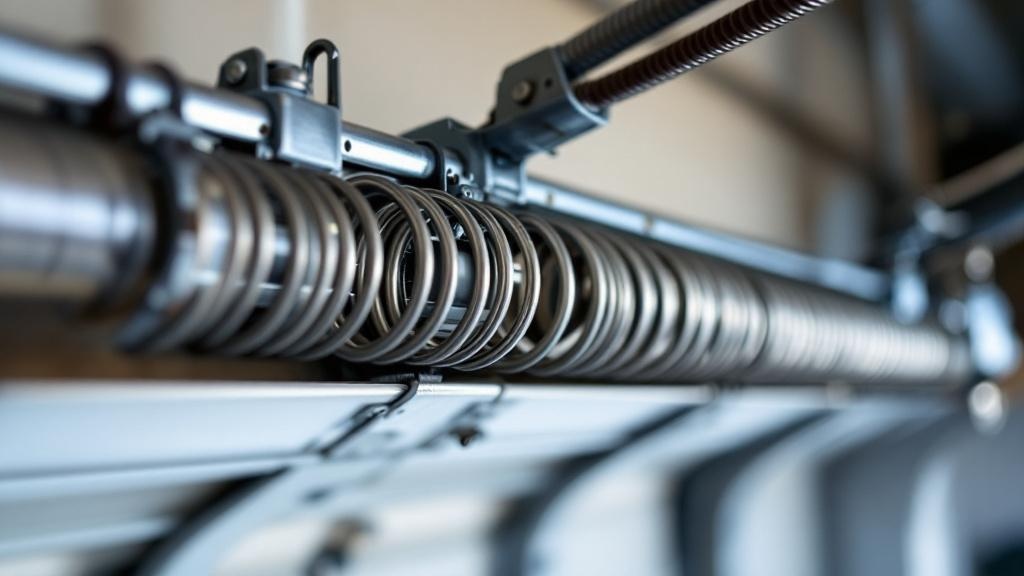
Garage door springs are the hidden engine of the system. They store energy when the door closes and release it when the door opens, counterbalancing the door’s mass so it feels light. That’s why, with good springs, a large double door can be lifted by hand.
There are two common spring setups:
- Torsion springs sit on a bar above the opening and twist to store energy. They deliver smooth, controlled movement and handle high cycle use well.
- Extension springs sit along the horizontal tracks and stretch like a rubber band. They’re often found on older or single-car doors and should be paired with safety cables to prevent a broken spring from snapping loose.
A balanced door feels like 8–15 pounds when lifted by hand and stays where you leave it. If it slams shut, the springs are weak or broken. If it shoots up, the springs are over-tensioned. No opener, regardless of horsepower, can safely pull an unbalanced door for long. Swift Garage Doors technicians diagnose spring issues, set the correct spring weight for your door, and get the system back to safe, smooth operation across the GTA.
How To Test If Your Garage Door Is Properly Balanced
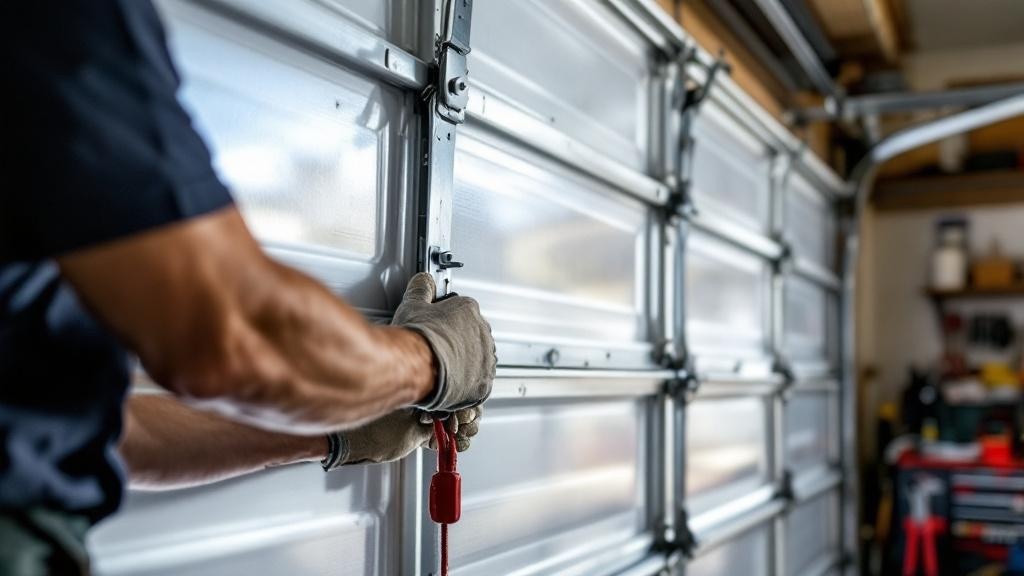
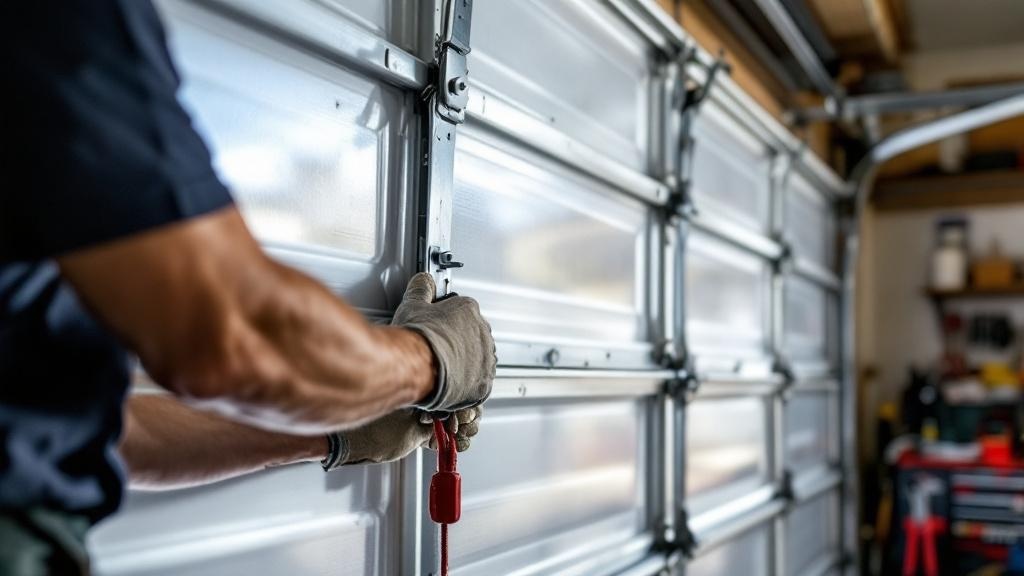
Start with safety. Do not touch or adjust springs. They are under extreme tension and can cause serious injury. This quick check only involves the door and the release cord.
- Close the door fully.
- Pull the red emergency release to disconnect the opener.
- Lift the door by hand to about waist height. It should move smoothly and not feel heavy.
- Let go carefully and watch what happens:
- If it stays in place or drifts slightly, it’s in the ballpark.
- If it drops hard, the springs are weak or broken.
- If it rises on its own, the springs are over-tensioned.
- Reconnect the opener by pulling the cord toward the door and running the opener until it re-latches.
If the door fails this test, book spring service with Swift Garage Doors right away. Avoid raising force settings on the opener to “make it work.” That can defeat safety features and lead to damage.
Understanding Garage Door Opener Power Ratings: HP, HPC, And Newtons
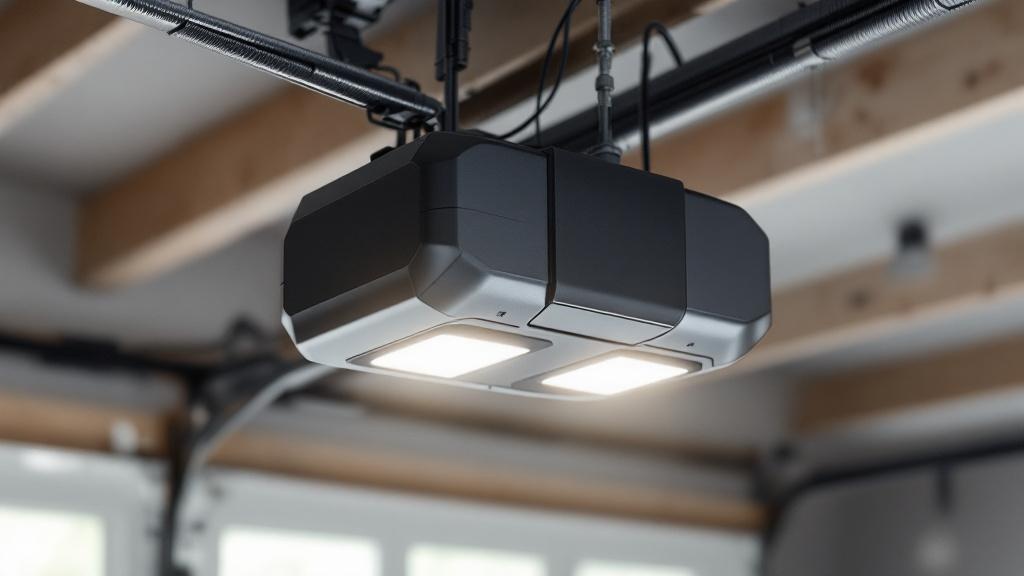
Power ratings can be confusing, so here’s a plain breakdown:
- Traditional AC motors use horsepower (HP). Common sizes include 1/2 HP for most residential steel or aluminum doors, 3/4 HP for heavier insulated or wood styles, and 1–1.5 HP for oversized or custom doors. This “garage door opener horsepower” label is familiar and useful.
- Modern DC motors often use horsepower comparable (HPC) or Newtons (N). HPC maps to HP, so 3/4 HPC delivers similar pulling force to a 3/4 HP AC motor. Newtons measure force directly: roughly 500 N aligns with 1/2 HP, 700 N with 3/4 HPC, and 900 N+ with 1+ HPC.
DC units are typically quieter, start and stop softly, and pair well with smart features and battery backup. They also allow finer control of acceleration and deceleration, which reduces wear on gears and rails.
On a balanced door, any correct-sized motor works with less strain. The right rating still matters for durability, smooth travel, and noise. When people ask how much weight can a garage door opener lift, the accurate answer begins with a balanced door and the rating that fits your door’s real-world demands.
“Pick the motor for cycle life and smooth travel—not to muscle a heavy door.” — Swift Garage Doors Installation Team
Matching Opener Power To Your Garage Door Type
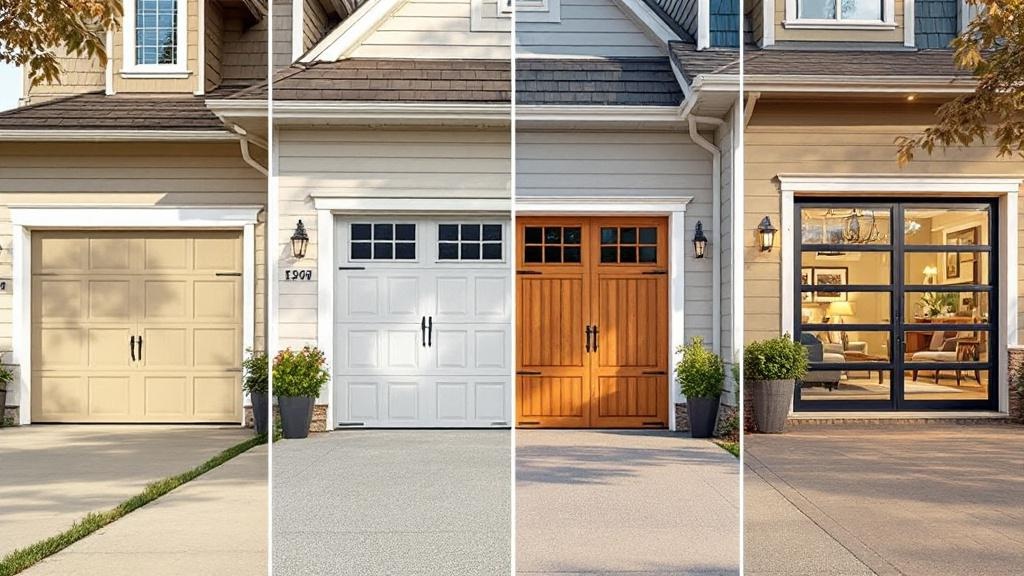
Door weight is the main factor in picking a residential garage door opener. Material, size, insulation, and hardware all add up. Use this as a quick garage door opener buying guide to match power to your door.
| Door Type | Recommended Power |
|---|---|
| Single steel/aluminum, non‑insulated | 1/2 HP or 500 N |
| Double steel/aluminum, non‑insulated | 1/2 HP workable; 3/4 HPC for longer life |
| Insulated double or triple‑layer steel | 3/4 HPC or 700 N |
| Wood or composite carriage style | 3/4 HPC minimum; 1 HP or 900 N ideal |
| Full‑view glass and aluminum | 3/4 HPC to 1 HP based on size |
| Oversized or custom residential | 1–1.5 HP or 900 N+ |
If your door is heavier, a 3/4 HPC or 1 HP motor reduces strain and keeps performance steady. This is especially helpful on older doors where worn rollers add friction. For Toronto homes with attached garages, quiet DC belt drives are popular because they pair power with low noise and smart features. Swift Garage Doors provides garage door opener installation across the GTA and will size the opener to the door’s true garage door weight limit.
Special Considerations: Insulation, Wind Load, And Door Size
- Insulation adds mass. A triple-layer insulated steel door can weigh 50–100 pounds more than a non-insulated version, which makes a 3/4 HPC motor a smart pick for smoother daily use.
- Wind-rated doors use extra steel struts and heavier hardware. That added weight means you should step up to 3/4 HPC or higher so the opener does not labour on every cycle.
- Door size matters too. Anything taller than 7–8 feet or wider than 16 feet moves more material and benefits from 3/4 HPC or 1 HP.
- Frequency of use and age also play a role. High-traffic households and older doors with worn parts need a bit more headroom in motor size.
- Track layout and hardware matter. High-lift or low-headroom conversions and tight track turns add resistance; a higher HPC unit can keep speed and sound consistent.
Swift Garage Doors can weigh and evaluate the door, check garage door opener specifications, and recommend a motor that fits your daily reality.
Warning Signs Your Opener Is Struggling Or Undersized
Openers ask for help long before they fail. Watch and listen for:
- Loud humming, grinding, or groaning as the door moves.
- Travel that slows mid-cycle, stops short, or surges in jerky bursts.
- Random reversals with nothing in the way (force settings may be tripping).
- The motor head shaking or vibrating more than usual.
- The opener light flickering during a lift or dimming on startup.
- A door that feels heavy by hand—clear sign of a spring issue.
Swapping in a stronger motor to pull a door that’s out of balance only hides the real problem. It can bend door panels and strip gears. Fix the balance first. Then choose the right garage door opener motor size so the opener doesn’t pay the price.
Drive Systems And How They Work With Opener Power
Drive type shapes noise and feel, while motor rating sets lifting force.
- Chain drive: Uses a metal chain. Strong and budget-friendly, but the loudest. Best for detached garages or where noise isn’t a concern.
- Belt drive: Uses a steel‑reinforced belt for very quiet, smooth travel. Available across all power levels, including high‑power DC models. Ideal for attached garages and bedrooms over the garage.
- Screw drive: Moves on a threaded rod, runs fast, and has few moving parts. Can be louder in some setups and is sensitive to temperature swings without proper lubrication.
- Jackshaft (wall‑mount): Mounts beside the door and turns the torsion bar directly. Frees overhead space and runs quietly. Needs a torsion spring system and compatible shaft/space.
For many GTA homes with bedrooms over the garage, a DC belt drive or jackshaft at 3/4 HPC is a great balance of power, quiet operation, and smart home compatibility. Swift Garage Doors installs all drive types and can match one to your space and use.
“Belt drives are often the best choice when quiet operation is a must.” — Swift Garage Doors Service Team
Residential vs. Commercial Garage Door Openers: Key Differences
Residential openers top out around 1–1.5 HP and run on 120V. They’re built for about 10–20 cycles a day. Commercial garage door opener models usually start at 1 HP and can go to 3 HP or more. They often use 240V or three‑phase power and are designed for heavy doors and hundreds of daily cycles.
Commercial operators are commonly jackshaft or hoist types with industrial‑grade parts and advanced controls. They’re specified by duty cycle (how many cycles per hour/day), door size, and door type. A light‑duty commercial unit can be the right call for a very large custom door on a residence. Swift Garage Doors supports both residential and commercial properties across the GTA and can advise on the best option for your door and duty cycle.
Conclusion
The opener is not the weightlifter. Springs do the hard work, and a balanced door should feel like 8–15 pounds by hand. When people ask how much weight can a garage door opener lift, the honest answer starts with spring balance, then moves to the right power rating for the door’s material, size, and hardware.
Picking 1/2 HP, 3/4 HPC, or 1+ HPC depends on real door weight and daily use. Ignoring balance issues or running an undersized unit invites breakdowns and safety risks. Swift Garage Doors brings licensed technicians, more than a decade of hands‑on experience, smart tech options, and 24/7 emergency service to homes and buildings across the GTA. Book a free consultation for a precise assessment and a safe, smooth upgrade.
Key Takeaways
- Springs carry the door’s weight; the opener manages a small residual load on a balanced system.
- Match opener power to true door weight, not just door size; consider insulation, wind reinforcements, and frequency of use.
- Fix balance first if the door feels heavy. Then choose a quiet, durable drive with the right motor rating for long, reliable service.
FAQs
Question 1: Can A 1/2 HP Garage Door Opener Lift A Double Garage Door?
Yes, a 1/2 HP residential garage door opener can move many standard double steel or aluminum sectional doors, provided the door is balanced and rolls freely. For insulated double doors or heavier builds, a 3/4 HP or 700 N model is a better choice for smoother travel and longer motor life. If the door feels heavy by hand, address spring balance before considering a power upgrade.
Question 2: How Much Does A Standard Garage Door Weigh?
A single‑car steel door often weighs 80–120 pounds. A standard double steel door runs about 150–200 pounds. Insulation can add 20–50 pounds, while wood doors can reach 200–400+ pounds. With correct spring tension, the door should feel like only 8–15 pounds to lift by hand. That’s the baseline the opener expects.
Question 3: What Happens If My Garage Door Opener Is Too Weak For My Door?
An undersized opener strains, runs hot, and may move the door slowly or jerkily. Gears can strip and the motor can fail early. Force settings may rise so high that safety reversal doesn’t work as intended. Swift Garage Doors can assess the door, confirm balance, and right‑size the opener to your door’s actual weight so safety systems work as designed.
Question 4: Do I Need A 1 HP Garage Door Opener For A Wood Door?
Most solid wood or carriage house doors need at least 3/4 HP. Many benefit from 1 HP or 900 N for steady, low‑strain operation. This helps prevent the “garage door too heavy for opener” problem and supports long service life for both opener and door. The exact pick depends on door size, construction, and how often you use it.
Question 5: How Do I Know If My Garage Door Springs Are Broken Or Weak?
Do the safe balance check: disconnect the opener, lift to waist height, and let go. If the door falls hard, the springs are weak or broken. Other signs include a door that feels heavy to lift or won’t stay put without the opener. Contact Swift Garage Doors for fast spring replacement across the GTA.